Pitched Roof Repairs and Replacement Across Devon
Bramwell Roofing Devon provides pitched roof repairs, maintenance and complete roof replacement services for homes, rental properties and commercial buildings throughout Devon.
We work across Exeter, Plymouth, Torquay, Newton Abbot, Exmouth, Barnstaple and the surrounding towns, villages and coastal communities. Whether your roof has developed a leak, suffered storm damage or reached the point where replacement may be more practical, we can assess its condition and explain the available options.
Call Bramwell Roofing Devon on 07598 001 200 to discuss your pitched roofing requirements.
Reliable Solutions for Pitched Roofs

Pitched roofs are designed with sloping sides that help rainwater flow towards the gutters. They are the standard roof across Devon, from terraces in Exeter and Plymouth to farmhouses and village cottages, because they shed heavy rain quickly and suit many different property styles.
Although pitched roofs are generally durable, they are constantly exposed to wind, rain, frost, sunlight and changing temperatures — and in Devon that usually means repeated Atlantic weather rather than occasional bad spells. Over time, tiles, slates, underlay, flashing and other components can become damaged or worn.
A pitched roof is made up of several connected parts. This means that a leak is not always caused by the most obvious visible defect. Water may enter through a damaged tile, worn valley or failed section of flashing before travelling beneath the roof covering and appearing elsewhere inside the property.
Bramwell Roofing Devon can investigate the problem and recommend a repair or replacement based on the roof’s overall condition.
Pitched Roof Repairs
Many pitched roof problems can be resolved through targeted repairs, particularly when the damage is limited to one area.
Prompt repairs can help prevent moisture from reaching roof timbers, insulation, plasterwork and internal decoration.
Our pitched roof repair services can address problems including:
Before recommending work, we assess the visible roof covering and the areas most likely to be allowing water into the property.
Where the surrounding roof remains in suitable condition, a localised repair may be enough to restore protection without replacing the entire roof.
What Is Involved in Replacing a Pitched Roof?
The exact process will depend on the size, design and condition of the roof.
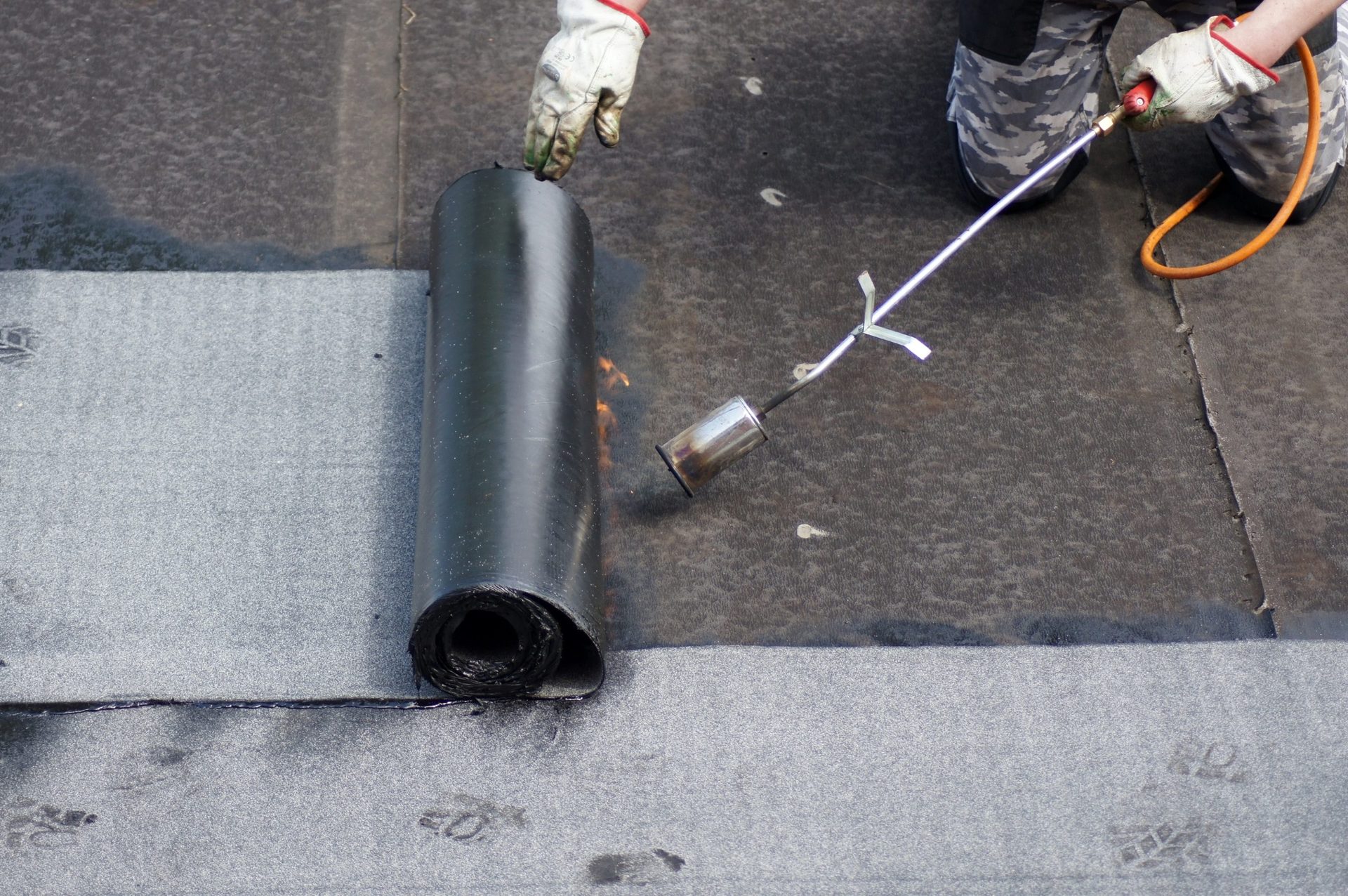
The existing roof covering may need to be removed so the underlying structure can be examined. Damaged battens, underlay or other materials can then be identified and addressed before the new roofing system is installed.
Important details such as valleys, ridges, hips, flashing, ventilation and drainage must all be completed correctly to help the roof perform effectively.
The choice of tiles or slates will depend on several factors, including the roof pitch, structural suitability, appearance of the property and any relevant planning requirements.
Our aim is to recommend a solution that suits both the building and the customer’s practical needs.
Investigating Pitched Roof Leaks
Investigating Pitched Roof Leaks
Roof leaks can be difficult to trace without a careful inspection.
Water does not always drip directly beneath the original defect. It may travel along the underside of tiles, roofing felt, timber or fixings before becoming visible on a wall or ceiling.
Signs of a possible pitched roof leak include:
- Damp or discoloured patches on ceilings
- Water marks in the loft
- Dripping during or after heavy rain
- Daylight visible through the roof
- Damp insulation
- Mould or musty smells
- Flaking paint or damaged plaster
- Water around chimney breasts
The source may be a damaged tile, but it could also involve flashing, valleys, ridge details or another roof junction.
Repairing the correct area is essential if the leak is to be resolved properly. Call 07598 001 200 if you have noticed any signs of water entering your property.


Storm-Damaged Pitched Roofs
Strong winds, heavy rain and falling debris can cause sudden damage to a pitched roof.
Tiles and slates may become loose or completely detached, while ridge sections, flashing and gutters can also be affected. In some cases, severe weather exposes weaknesses that were already developing due to age or wear.
Following a storm, look for warning signs such as:
- Roofing materials on the ground
- Visible gaps in the roof
- Tiles sitting unevenly
- Loose ridge or hip tiles
- New leaks or damp patches
- Damaged gutters or downpipes
- Debris resting on the roof
Avoid climbing onto the roof yourself. Pitched roofs can be slippery and unstable, particularly after bad weather. A professional assessment is the safer way to determine the extent of the damage.
Complete Pitched Roof Replacement
A full roof replacement may be required when deterioration is widespread or repeated repairs are no longer providing a dependable result.
Older roofs can develop problems across several areas at the same time. Tiles or slates may be damaged, the underlay may have failed, and components such as valleys, battens and flashing may also need attention.
Continuing to carry out isolated repairs may become less economical when the roof has reached the end of its practical lifespan.
A pitched roof replacement may be considered when there are:
- Frequent leaks in different areas
- Large numbers of damaged or loose tiles
- Widespread slate deterioration
- A sagging or uneven roofline
- Failing underlay or battens
- Extensive damage to valleys or ridge sections
- Repeated repair costs
- Structural concerns beneath the roof covering
Bramwell Roofing Devon can assess the condition of the existing roof and explain whether repairs remain suitable or whether replacement could offer better long-term value.
Pitched Roof Maintenance
Regular maintenance can help reduce the risk of unexpected leaks and prolong the useful life of a pitched roof.
This is particularly important after severe weather or when a roof is surrounded by trees. Leaves, moss and branches can collect in valleys and gutters, preventing water from draining away properly.
Maintenance may include:
- Replacing damaged roofing materials
- Checking ridges and hips
- Inspecting flashing
- Clearing roof valleys
- Reviewing chimney junctions
- Checking the condition of gutters
- Looking for early signs of movement or deterioration
Small defects are often more straightforward to repair when they are identified early.
An inspection may also be useful when purchasing a property, preparing for renovation work or checking an older roof that has not been reviewed for some time.
Why Choose Bramwell Roofing Devon?
Customers contact Bramwell Roofing Devon for pitched roofing services because we provide:
- Pitched roof repairs and replacements
- Leak investigation and fault finding
- Work on tiles, slates, ridges and valleys
- Storm damage assessments
- Residential and commercial roofing support
- Coverage throughout Devon
- Clear explanations of the recommended work
- Solutions based on the condition of each roof
We believe customers should understand what has gone wrong and why a particular repair or replacement is being recommended.
Our approach is practical, straightforward and centred on protecting the property.
Arrange a Pitched Roof Assessment
A damaged pitched roof should be investigated before water reaches other parts of the building.
Whether you need a small repair, help finding the source of a leak or advice about replacing an older roof, call Bramwell Roofing Devon on 07598 001 200.
We cover Exeter, Plymouth, Torquay, Newton Abbot, Exmouth, Barnstaple and surrounding areas throughout Devon.
Pitched Roofing Services Throughout Devon
We provide pitched roof repairs and replacements across Exeter, Plymouth, Torquay, Newton Abbot, Exmouth, Barnstaple and the surrounding areas. Read our guide to spotting the early signs of roof damage before winter. Flashings around chimneys and abutments are covered on our leadwork page.
Coastal locations such as Torbay, Exmouth, Dawlish and Plymouth experience strong south-westerly winds, driving rain and salt-laden air, which place extra pressure on exposed roofing materials, mortar and fixings. Higher ground on the edges of Dartmoor and Exmoor sees heavier rainfall and colder, wetter winters.
Older Devon properties may have traditional construction details — natural slate, stone, cob walls and thatch nearby — that require careful repair, while newer homes can still develop problems through storms, movement or isolated installation defects.
Wherever your property is located, Bramwell Roofing Devon can inspect the roof and discuss the most suitable next step.