Slate Roofing in Plymouth
Bramwell Roofing Devon provides professional slate roofing services throughout Plymouth for homeowners, landlords, businesses and property managers.
Natural slate remains a familiar roofing material on many of Plymouth’s older properties, particularly traditional terraces and period homes.
A well-maintained slate roof can remain serviceable for many years, but individual slates, fixings, flashing and adjoining roof components can still deteriorate over time.
Strong winds and driving rain can also expose areas that have already become vulnerable through age.
A slipped or broken slate does not automatically mean the entire roof needs replacing.
Where the surrounding covering remains in reasonable condition, localised repairs may be enough to restore protection and extend the useful life of the existing roof.
Call 01392 308173 or 07598 001 200 if you have noticed a problem with a slate roof in Plymouth.
Common Slate Roof Problems
Slate roofs can develop several different defects as they age.
These may include:
- Slipped slates
- Cracked or broken slates
- Missing slates
- Deteriorating fixings
- Storm-related damage
- Failed flashing
- Valley problems
- Leaks around chimneys
- General ageing and deterioration
The right solution depends on whether the problem is confined to one manageable area or reflects a wider decline in the condition of the roof.
Why Do Roof Slates Slip?
Slates can move for several reasons.
The slate itself may have cracked, or the fixing securing it may have deteriorated.
Normal ageing and repeated exposure to poor weather can also weaken vulnerable areas.
Strong winds may then displace a slate that was already becoming loose.
When one slate has moved, the surrounding section should also be considered.
A visible defect may be isolated, but it can sometimes indicate that neighbouring fixings or materials are beginning to deteriorate too.
Broken and Cracked Slates
A slate does not necessarily need to fall from the roof before it causes a problem.
Cracks can allow water to reach the materials beneath even while the slate still appears to be in position.
Where the surrounding roof remains serviceable, individual cracked or broken slates can often be replaced without disturbing the complete covering.
This is one of the reasons why repair should be considered before assuming that a new roof is required.
Slate Roof Leaks
A leak on a slate roof may be caused by a slipped or broken slate, but the covering itself is not the only possible source.
Water can also enter around:
- Chimney flashing
- Valleys
- Roof junctions
- Ridges
- Adjoining walls
- Rooflights
- Other penetrations
The internal damp patch may also appear some distance from the actual external defect.
Water can move beneath the covering before becoming visible on a ceiling or wall.
For broader leak investigation, visit our roof repairs in Plymouth page.
Slate Roofing on Older Plymouth Properties
Plymouth contains a substantial amount of older housing where slate can form an important part of the building’s character.
These roofs may have undergone several generations of repair, extension or alteration.
Different materials may have been introduced over time, chimneys may have changed and rooflights or later additions may have altered the original construction.
That history can influence how a current roofing problem should be approached.
Older does not automatically mean unsuitable.
Where substantial areas of the existing roof remain sound, repairing defective sections may be more appropriate than replacing more of the covering than necessary.
Slate Roofs on Traditional Terraces
Terraced properties can create additional roofing considerations.
Individual homes may sit beneath closely connected rooflines, with chimneys, party-wall junctions and adjoining roof sections all influencing how water moves.
A leak that appears to affect one property may therefore require consideration of nearby roof junctions as well as the visible slates.
Repair work should be based on the exact source of the problem rather than assuming every slate-roof leak is caused in the same way.
Chimneys and Slate Roofs
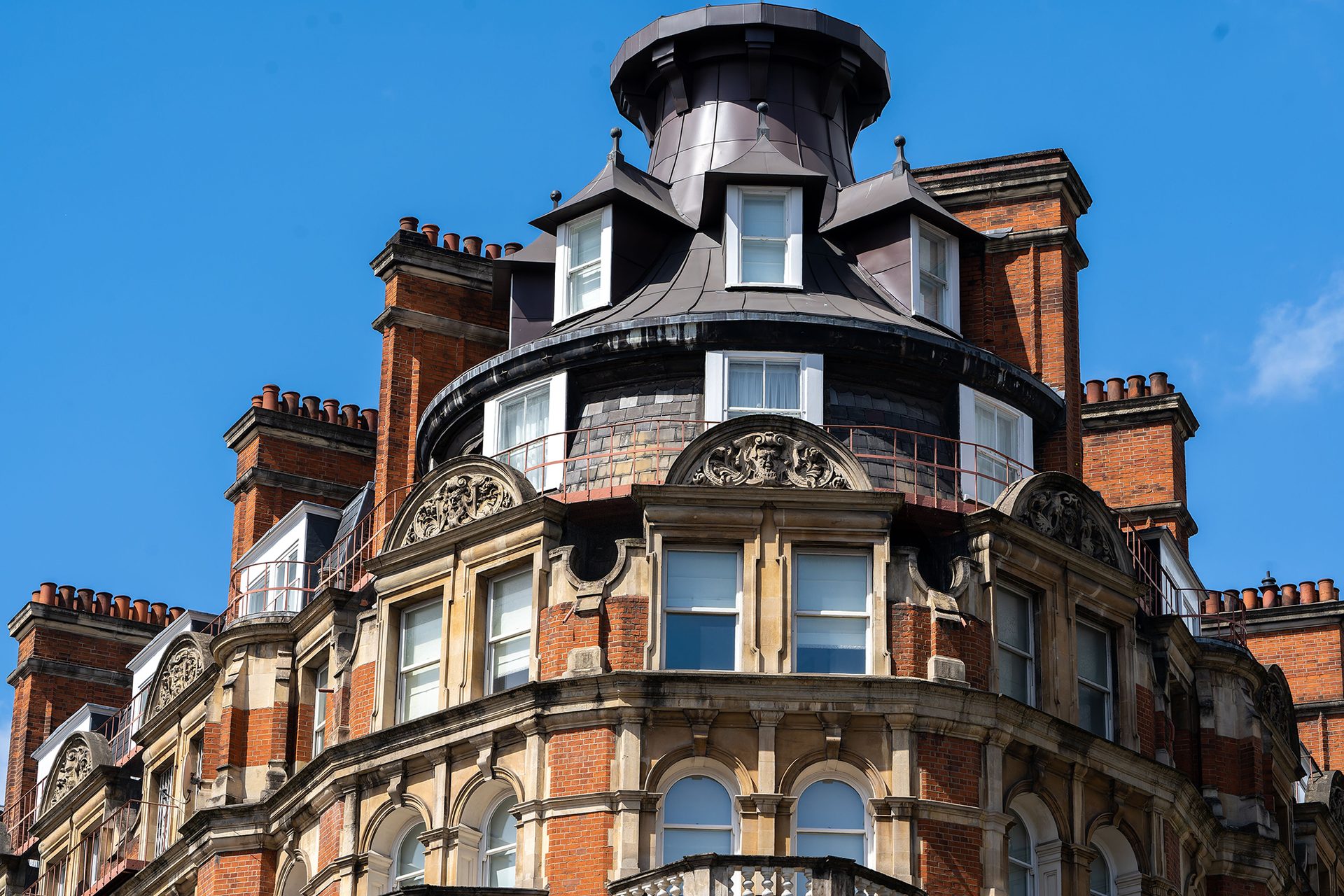
Chimney stacks are common on many older slate-roofed buildings.
They create additional roof junctions and rely on sound flashing to keep rainwater out.
If damp appears near a chimney breast, possible causes can include:
- Damaged flashing
- Deteriorating mortar
- Weathered brickwork
- Adjacent damaged slates
- Other nearby roof junctions
The chimney and surrounding slate covering should therefore be considered together.
Our chimney repair and replacement service covers these areas.
Valleys and Slate Roofing
Valleys carry significant quantities of rainwater between adjoining roof slopes.
If a valley deteriorates, water may enter even where the surrounding slates remain in reasonable condition.
The same applies to other junctions where slate roofs meet walls, dormers or extensions.
These areas should be considered when investigating leaks that continue despite individual slate repairs.
Storm Damage to Slate Roofs
Plymouth’s coastal location means strong winds can be an important factor when a roof is already showing signs of age.
A slate with deteriorating fixings may become more vulnerable during severe weather.
Following storms, property owners can look from ground level for:
- Slates on the ground
- Visible gaps in the covering
- New internal damp
- Changes around ridge areas
- Loose guttering
- Debris around the property
Never climb onto the roof yourself to investigate possible storm damage.
If something appears to have changed, arranging a professional assessment is the safer approach.
Can Individual Slates Be Replaced?
Often, yes.
Where one or a small number of slates have failed and the surrounding roof remains in suitable condition, localised replacement may be sufficient.
The objective should be to retain serviceable roofing materials wherever practical rather than replacing the complete roof unnecessarily.
The surrounding section should still be assessed to make sure the visible defect is not part of a wider pattern.
When Does a Slate Roof Need More Extensive Work?
More substantial intervention becomes relevant where defects are no longer isolated.
Signs that the wider roof may need attention can include:
- Repeated slate slippage in different areas
- Widespread cracking
- Numerous missing slates
- Multiple leaks
- Extensive deterioration of fixings
- Increasingly frequent repairs
- General decline across large sections of the roof
At this point, the complete roofing system should be considered rather than continuing to treat each defect individually.
Slate Roof Replacement in Plymouth
Replacement becomes more relevant where widespread deterioration means localised repair is no longer practical.
The existing property, roof pitch, materials and character should all be considered when major work is planned.
This can be particularly important on older buildings where slate contributes significantly to the appearance of the property.
For broader information about replacement work, visit our new roofs in Plymouth page.
Repair or Replacement?
A slate roof should not be replaced simply because it is old.
Repair is generally more appropriate where:
- The problem is localised
- Most slates remain serviceable
- Fixing problems affect only a limited area
- The source of leaks can be clearly identified
- Previous repairs have not become widespread
Replacement becomes more relevant where:
- Slippage occurs across substantial areas
- Many slates are cracked or damaged
- Fixings have deteriorated extensively
- Leaks continue to appear in different locations
- Ongoing repair is becoming increasingly impractical
The decision should always reflect the actual condition of the roof.
Slate Roofing and Property Character
Where a property has period or historic character, the appearance of the roof may form an important part of the building.
Significant replacement work should therefore be planned carefully.
Where planning, listed-building or conservation requirements may apply, property owners should establish the relevant permissions or restrictions before major external alterations are undertaken.
Localised repair can often help retain an existing roof for longer while preserving serviceable materials.
Slate Roof Maintenance
A slate roof that is performing well does not require unnecessary intervention.
However, visible changes should not be ignored.
Property owners can look from ground level for:
- Slipped or missing slates
- Slate fragments on the ground
- New damp after rainfall
- Deterioration around chimneys
- Blocked or overflowing gutters
- Changes following storms
Early attention can often keep repairs more contained.
Guttering and Slate Roofs
Drainage problems can contribute to moisture issues around slate roofs.
Blocked gutters may overflow, while cracked joints can allow water to run down walls or collect close to vulnerable sections.
Leaves and moss can also restrict water flow.
Our gutter repairs and cleaning service can be considered where drainage problems are contributing to the wider issue.
Slate Roofing for Landlords
Older rental properties may contain slate roofs that have already undergone several previous repairs.
Prompt investigation of leaks can help limit damage to ceilings, insulation, decoration and tenants’ belongings.
Where repairs have become frequent or widespread, a broader assessment can help establish whether localised maintenance remains practical.
Slate Roofing for Commercial and Mixed-Use Properties
Some older commercial and mixed-use buildings retain slate pitched roofing.
These roofs may include more complex junctions, chimneys or adjoining sections than a typical residential property.
The way the building is used and the need to minimise disruption can influence how repair or replacement work is planned.
What Happens During a Slate Roof Assessment?
The assessment begins with the problem you have noticed.
This may include:
- A slipped slate
- An active roof leak
- Visible gaps in the covering
- Slate fragments on the ground
- Damp near a chimney
- General concern about an older roof
The relevant parts of the roof can then be considered, including:
- Individual slates
- Fixings
- Flashing
- Valleys
- Chimneys
- Ridges
- Roof junctions
- Guttering
The aim is to establish whether a localised repair remains suitable or whether the wider roof condition requires attention.
Wider Roofing Services in Plymouth
Slate roofing forms part of our complete roofing services in Plymouth.
Our Devon-wide slate roofing service provides additional information about repair and replacement.
For wider geographical coverage, visit Areas We Cover.
Arrange a Slate Roof Assessment in Plymouth
Whether you have discovered a slipped slate, an active leak or more widespread deterioration across an older roof, Bramwell Roofing Devon can assess the condition and discuss the available options.
Call 01392 308173 or 07598 001 200, or contact Bramwell Roofing Devon online.
Frequently Asked Questions
Can individual slipped slates be repaired?
Often, yes. Where the surrounding roof remains serviceable, individual defective slates may be replaced without disturbing the complete roof.
Does one broken slate mean I need a new roof?
No. A single localised defect would not normally justify replacing an otherwise serviceable slate roof.
Why do slates start slipping?
Possible causes include deteriorating fixings, cracking, movement and weather exposure.
Can you replace a complete slate roof in Plymouth?
Yes. Replacement can be considered where deterioration is sufficiently widespread that localised repairs are no longer practical.
Can a slate roof leak even when no slate is missing?
Yes. Flashing, valleys, chimney junctions and other roof details can also allow water to enter.